
Europe's Earth-Honoring Spring Equinox Rituals
Each year, the spring equinox arrives when day and night briefly share equal ground, and the Land begins its slow turning toward light. Beneath thawing soil, the first roots begin to move, water stirs under stone and moss, and trees feel sap rising through their trunks. Across Europe, communities once marked this moment through spring equinox rituals and traditions that greeted the awakening of fields, forests, springs, and the human lives moving among them. As we walk through these traditions of the vernal equinox, we may uncover how ancestral rituals grew from relationship with the Land and how they can be quietly revived again today.
This work is specifically rooted in indigenous European animist traditions. For those who carry European ancestry, the invitation here is to remember your own lineage rather than borrow from traditions not your own — because the European wise woman tradition, the animist relationship with Land and ancestor that once shaped life across these cultures, was systematically dismantled. Reviving these traditions is its own kind of repair.
Listening To The Land As It Wakes
Around the spring equinox, the Land begins to reveal that winter is loosening its hold, and those who are paying attention to the rhythms of the Land begin to recognize the change moving through soil and water, trees and animals, and through their own bodies as well.
For our earth-honoring ancestors, this awareness was part of everyday life. People worked close to soil, water, animals, and weather, and the turning of the seasons was noticed the way one notices wind shifting direction or the tide beginning to move. When springs began running more strongly from the hillside, when sap lifted through the trunks of birch trees, when soil softened beneath the first steps across the field, people understood that the Land was stirring again.
Springs And Waters Of Renewal
The first journeys of early spring often led toward water. Villagers walked to springs and wells where underground waters rose again after the long cold winter. Hands were washed there. Faces touched the cold surface. Quiet words were spoken toward the flowing water before people returned to their homes.
These waters were approached with awareness that the living spirit of the Land moved close to the surface there. In many regions, people recognized Nixen, water beings who dwelled within rivers and pools and moved with the currents flowing through the earth. When approaching a spring, it was common to pause, greet the water, and leave a small offering—perhaps a coin, a ribbon, or a portion of food—in gratitude for the life the waters carried into the world.
Forests Awakening
The forests were stirring as well. Birch trees held the rising sweetness of sap within their pale trunks, and people gathered the first drops carefully, tasting the returning vitality of the woods. Moss released the scent of damp earth, and forest paths softened underfoot as frost withdrew from the soil.
Within the forests, people recognized the presence of Holzweibel and Moosweiblein, small forest women who moved among roots and moss and were known as keepers of the woodland places. Travelers entering the forest stepped with care, greeting the woods quietly and sometimes leaving a small gift—a piece of bread, a thread of cloth, a whisper of thanks—to acknowledge the life and intelligence dwelling there.
Hildegard von Bingen— the twelfth-century mystic, healer, and wisdom keeper — named what the forest keepers already knew in their hands and feet. She called it viriditas: the greening life force that rises through plants, animals, and human beings when life begins renewing itself after winter. She saw it everywhere in creation — the upward surge that pushes sap through the trunks of trees, that awakens the senses, that brings what has been dormant back into its fullness. Its opposite, she understood, was ariditas — dryness, barrenness, the loss of that inner greening. What happens to a living system, and to a living culture, when the greening force can no longer move through it. The women who walked softly into the forest and left bread among the roots were tending against exactly that.
The Many Beings Of The Land
The world surrounding a village was understood as a living community of many beings. Wichtel and Kobolde were known to dwell near human households, quietly helping with daily tasks when treated with respect and sometimes reminding people of their presence when neglected. In alpine regions, people spoke of the Alps, beings connected with the unseen forces that moved through night and dream.
“ Living alongside these presences called for attentiveness and reciprocity. ”
Offerings were left, greetings spoken, and places treated with care. People understood themselves as part of a wider community of life that included waters, forests, animals, spirits, and the Land itself.
As the days lengthened around the vernal equinox, these worlds stirred together—water rising through springs, sap traveling through trees, soil softening in the fields, animals turning toward mating and birth. Human communities responded with gestures of respect and gratitude, acknowledging the renewal unfolding across the living landscape.
From this steady relationship with place, the traditions of spring began to grow, and over generations those gestures of attention entered the stories, symbols, and seasonal celebrations through which communities welcomed the returning vitality of the Land.
When Spring Becomes Visible In Culture
As the Land stirred in water, soil, and forest, human culture stirred with it. The weeks surrounding the spring equinox were not experienced as a single day on a calendar but as a widening movement in which light, warmth, and fertility began entering the world again. Communities recognized that the same vitality rising through trees and fields was moving through animals, through human bodies, and through the unseen forces that shaped the living world.
The Hare Crossing The Fields
In early spring, the hare began appearing again in open meadows and along the edges of ploughed fields. People watched these quick movements with attention. The hare had long been associated with the returning vitality of the season, moving easily between night and day, between cultivated land and wild hedgerows. Its sudden leaps across thawing ground mirrored the quickening life of the Land itself.
Across Germanic regions, the hare was understood as a companion of the spring goddess. In some places, she was known as Ostara. In others, the living presence of the fertile Land itself. The animals that moved most visibly through the season became signs that the powers of growth and renewal were returning.
The Earth And Sky Meet Again
With the lengthening days, attention turned toward the fields. Soil that had rested through winter now opened to receive the first work of the year. The turning of earth under the plough carried deep meaning for agricultural communities. People understood this act as part of the great movement of fertility unfolding between sky and earth.
Rain, sunlight, soil, and seed entered relationship again. The Land received the seed, and the seed responded to warmth and moisture already gathering beneath the surface. The same creative force moving through animals and plants moved through the work of human hands.
The Goddess In The Living Land
In many European traditions, this returning vitality was recognized through the presence of the spring goddess. She appeared in different forms across regions—Ostara, Freyja, Holda, or simply the fertile Earth herself. Her presence was felt in the swelling of buds, the greening of fields, and the quickening life moving through animals and people.
Rather than standing apart from the Land, she was understood as its literal living expression — not symbolic, but felt and known directly in the greening of fields, the fertility of animals, and the quickening of human life. The greening of the earth, the fertility of animals, and the awakening of human creativity were all movements of the same seasonal force. Villages greeted this renewal through gatherings, dances, planting rites, and small household rituals that welcomed the season's vitality.
Alongside the goddess, the ancestral imagination carried another figure: the Green Man. His face appears carved into the stonework of medieval European churches and cathedrals — leaves growing from the mouth, foliage erupting from the eyes and brow, the human visage inseparable from the vegetation surging through it. He predates the buildings that preserved him, carried forward by a tradition that could not quite let him go. He is not a deity to be petitioned. He is a recognition — the personification of viriditas itself, the greening life force made visible in a face. William Anderson, in Green Man: The Archetype of Our Oneness with the Earth, traces this figure across centuries of European stonework as evidence of something the tradition kept insisting on: that the same force moving through the roots and trunks of trees moves through human beings [Anderson, W. (1990). Green Man: The Archetype of Our Oneness with the Earth. HarperCollins]. That spring does not rise only in the Land. It rises in us. His presence in the stone of churches tells its own story — some things the tradition refused to forget, even when the official culture tried to move on.
As the light of spring strengthened after the vernal equinox, the rhythms of story, agriculture, and daily life moved together across the countryside, with fields opening to receive seed, animals turning toward mating and birth, and households preparing for the work of planting and tending that would shape the growing months ahead. Human communities responded to this unfolding with gestures that acknowledged the creative vitality moving through Land, animals, waters, and people alike.
Within this shared movement between Land, spirit, and human culture, the rituals of spring continued to take form.
Women Who Carried The Ritual Life Of Spring
As the season unfolded after the spring equinox, the work of welcoming the returning vitality of the Land often gathered within the household. Here, the rhythms of the fields met the rhythms of family life, and many of the gestures that marked the arrival of spring were carried quietly through the hands of women.
“Preparing seed, tending animals, baking bread, dyeing cloth, and blessing the home were not separate from the renewal unfolding outside. They were part of the same movement of life returning to the world.”
The Egg As A Vessel Of Blessing
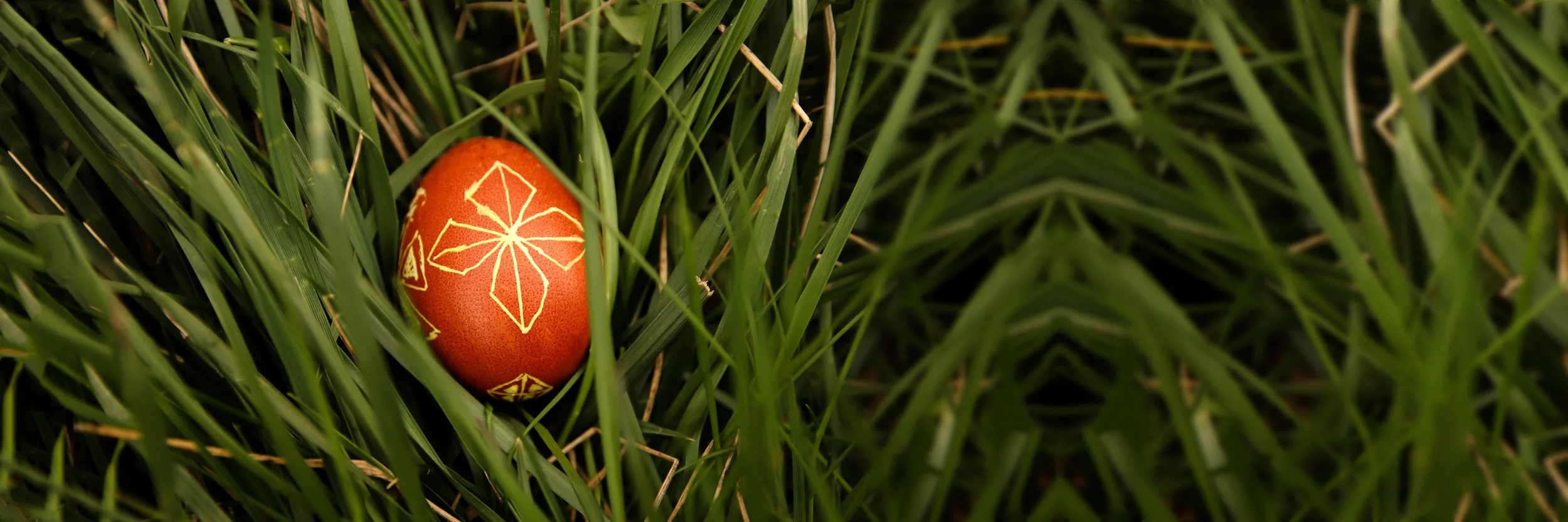
Among the most enduring spring equinox rituals and traditions across Europe was the careful preparation of eggs. As hens began laying again with the lengthening days, women gathered these first eggs of the season and worked with them slowly, often in the evening hours when the household had grown quiet.
Wax lines were drawn across the shells. Natural dyes made from plants and roots were prepared in small bowls. Colors deepened as the egg passed through each bath of dye. Branches, suns, spirals, seeds, and protective patterns appeared gradually across the curved surface. Each line carried intention for the wellbeing of the fields, animals, and family.
In parts of Eastern Europe, this practice became known through the intricate pysanka tradition, where the egg held what ethnographer and herbalist Wolf-Dieter Storl describes as Lebenskraftkugeln—spheres of life force. The egg moved through the household and outward into the world as a living vessel of blessing.
Blessings Carried Into Field And Home
Once prepared, the eggs traveled through the wider life of the community. A farmer might carry one to the edge of a field and place it in the soil before the first sowing of seed. Another might tuck an egg beneath the hive so the bees would flourish among the blossoms of spring. Hung above the barn door or kept near the hearth, the eggs moved quietly through barns, gardens, and homes as small guardians of the season.
These gestures were not hurried. The work required attention, patience, and intention. In many regions, women prepared themselves before beginning, tending to the household, speaking gently, and entering the work with calm intention. The designs that appeared on the eggs carried the goodwill of the household outward into the fields and into the life of the village.
Cultural Memory In The Hands Of Women
Through these acts, the knowledge of the season moved from one generation to the next. Daughters watched their mothers and grandmothers prepare dyes, draw symbols, and place the eggs where they would do their quiet work. The rituals lived not in written instruction but in the rhythm of hands repeating what had been done before.
In this way, the traditions of spring remained woven into everyday life. The renewal unfolding across the Land entered the household, passed through the careful work of human hands, and returned again to field, forest, and barn. Human culture moved with the same creative vitality already stirring in the soil, water, trees, and animals as the season continued to unfold.
Reviving Spring Equinox Rituals In Our Own Time
In the modern world, many people encounter the spring equinox only as a date on a calendar or as the seasonal marker that determines the timing of Easter. Yet the older spring equinox rituals grew from something much deeper than observance. They emerged from daily relationship with Land, waters, animals, and the unseen presences that people understood themselves to live among.
Remembering Through Practice
When these traditions are revisited today, something quiet begins to happen. The gestures themselves carry memory. Painting an egg slowly with attention, walking to a nearby spring, or placing a seed into the soil with a moment of gratitude can open a small doorway into the same relational awareness our ancestors lived within.
The Land continues its seasonal movement whether human culture notices or not. Water rises through springs, sap lifts through trees, animals turn toward mating and birth, and soil prepares itself for the work of germination. When people pause to participate in these movements, the ancient rhythm of reciprocity begins to surface again.
Four Simple Ways To Celebrate The Spring Equinox Rituals At Home
The traditions surrounding the vernal equinox were often simple acts woven into daily life. Many of them can still be practiced in gentle ways that restore relationship with the season.
Decorating eggs with natural dyes and symbols remains one of the most enduring spring rituals. The process invites quiet attention and allows blessings for home, garden, and community to move through the work of the hands.
Visiting water is another tradition carried across many regions of Europe. A walk to a spring, stream, or shoreline becomes an opportunity to greet the waters of the season and acknowledge the renewal moving through them.
Planting seeds, even in a small garden bed or a single pot on a windowsill, mirrors the ancient gestures of sowing that welcomed the growing season. The act of placing seed into soil invites patience and trust in the unfolding life of the Land.
Lighting a candle or small fire at sunset on the evening of the equinox offers a quiet way to mark the balance of light and darkness and to welcome the increasing light of the months ahead.
Cultural Memory And The Future Of Tradition
When these gestures return to daily life, they do not recreate the past exactly as it once was. Cultures change, landscapes shift, and the ways people live with Land continue to evolve. Yet the underlying movement remains recognizable.
Human communities have always found ways to greet the turning of the seasons. The spring equinox rituals and traditions of Europe reveal one expression of that relationship, where myth, agriculture, household practice, and reverence for the Land moved together through the year.
As people rediscover these traditions and allow them to take root again in their own lives, new expressions of seasonal culture begin to grow. The Land continues to awaken each spring. When we notice that awakening and respond with care, gratitude, and attention, the ancient conversation between people and place quietly continues.
When The Land Turns Again
Each year, the spring equinox arrives whether we notice it or not. Light and darkness share equal ground for a brief moment, and the Land begins the long movement toward warmth and growth. Beneath the surface of daily life, the same processes continue quietly — water rising through springs, sap lifting through trees, seeds preparing to open in the soil.
Our ancestors marked these movements with traditions that carried attention, gratitude, and reciprocity into the season. Eggs were painted with blessing, wells were greeted, and seeds were planted with care. Through these gestures, people remembered that human life unfolds within the larger life of the Land.
Those possibilities remain present today. When we pause to recognize the turning of the season and take part in even the smallest ritual of attention, we step again into the ancient conversation between people and place.
And the conversation does not end at the equinox. The greening force that pressed upward through frozen ground at Imbolc, that crested at the equinox into its first full expression, continues its outward surge. The Green Man and the goddess move toward one another through the lengthening days. What the ancestral imagination carried — in story, in symbol, in the dances held at field edges and forest clearings — was the knowledge that this rising vitality was building toward something. Robert Graves, in The White Goddess, gave formal name to a pattern the tradition had long carried in its bones: the turning of the Oak King and the Holly King, the sacred marriage of the greening force and the fertile Land at Beltane [Graves, R. (1948). The White Goddess. Faber & Faber].
Whether or not that pattern can be traced back through documented history, it points toward something real — the felt sense, alive in the body and in the Land, that spring is not yet finished. That the force rising through root and branch and human heart is moving toward its fullest expression. That what stirs now at the equinox will flower into something wilder and more radiant at Beltane, when the year reaches the height of its greening.
That is a story for the next threshold.
If you feel drawn to live more closely with the rhythms of Earth, Moon, and season, you're warmly invited to join Attune to the Moon Mail, where I share seasonal reflections, lunar guidance, and practices that help us move with the living cycles of the Land.
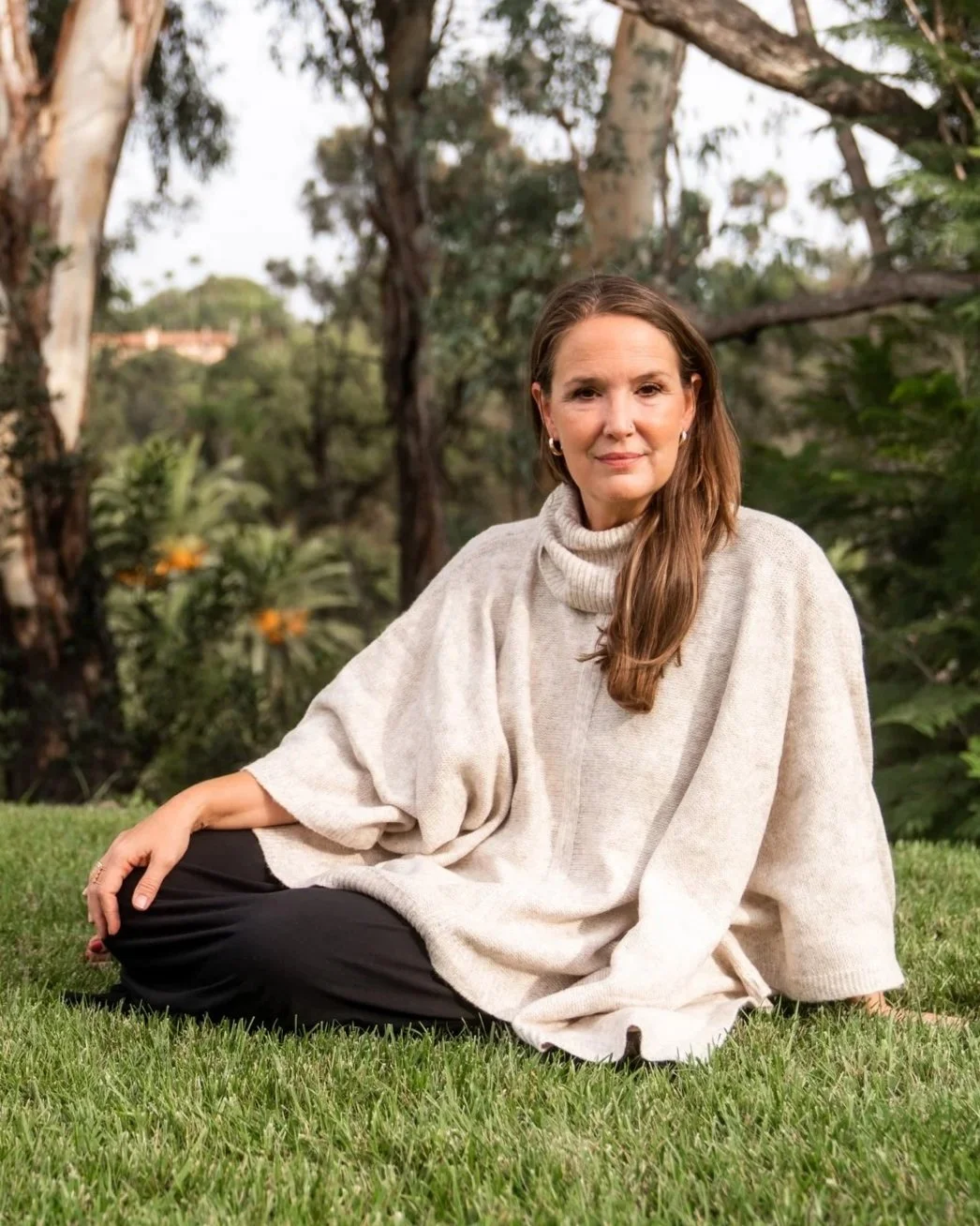
Ro Marlen is a wisdom teacher and somatic guide for sensitive, spiritually attuned Thresholders navigating burnout and relational wounding, often arriving in the body as chronic illness, in a culture that has forgotten how to belong.
Her work restores the Ground beneath healing: the remembrance that your body is Land, your lineage is living, and the world you are healing within is as sentient as you are.
She is the founder of The Sacred Evolutions Wisdom School. Through Rewild Yourself and the wider body of work at SEWS, she offers a living path back to what the Overculture worked hard to make you forget, and forward into what you are still becoming.
Her writing invites you to slow down, listen through the body, and remember the intelligence that has been living you all along
The Gemini new moon germinates the Weaver of Relationships seed. Discover what Right Relationship actually asks of your body.