Spring Equinox and the Nervous System: Living Spirit Rising
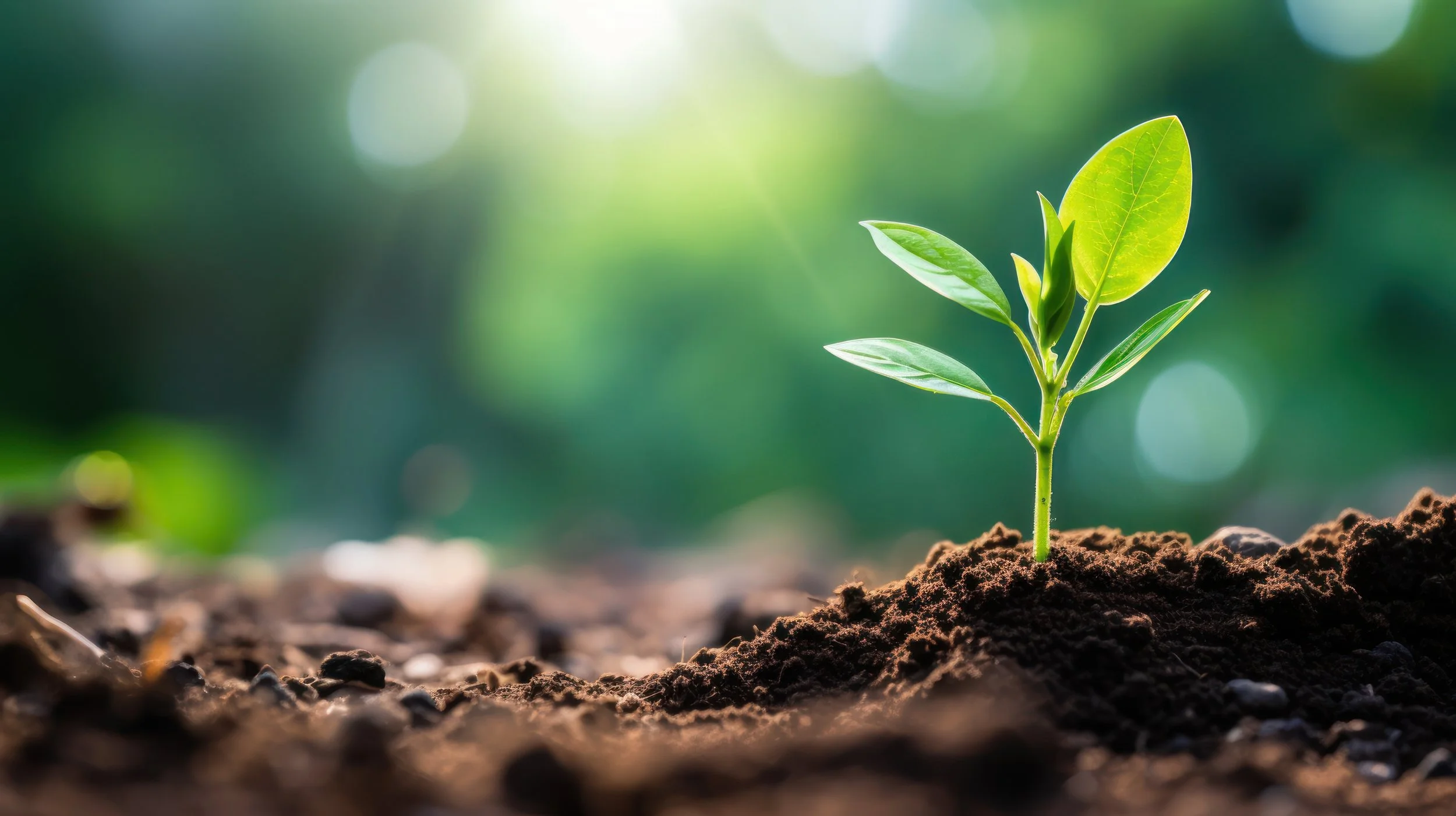
The spring equinox and nervous system meet in a particular quality of March light. The air still carries winter’s chill, and the soil remains dark beneath the surface, yet something in the larger rhythm of the year begins to shift outward. Sap starts moving in the trees before the first leaves appear. The upward movement begins invisibly, rising through trunks and bodies alike. The belly listens. The eyes sharpen slightly, the way deer lift their heads at the forest edge when the season begins turning. In the reflections that follow, we will explore how this seasonal turning moves through the body as Living Spirit—how the rising force of spring travels through the pelvis, heart, and eyes, and what Thresholders can learn about holding balance as life begins surging upward again.
The Stirring That Began Beneath the Soil
Early spring did not begin at the equinox. The movement started quietly weeks earlier, around Imbolc, when the long pause between winter breaths began to loosen, and the first stirrings of Wood energy woke beneath the frozen ground. Roots began drawing nourishment upward. Water moved through soil that still looked dormant from above. This upward, outward movement — a thread I was helped to recover through Taoist teachings — is what I call the Living Spirit: the part of us that sees the path our life wants to take and gathers the momentum to move toward it.
When the Living Spirit Begins to Rise
By the time the equinox arrives, that force is no longer subtle. Light and darkness stand in equal measure across the horizon. Yet, the larger motion of the year has already turned outward. The Land begins exhaling. The rising energy of spring gathers in the body as direction, impulse, and the faint pressure of something wanting to move. Some nervous systems register this movement earlier than others. Thresholders often feel it as a quiet intensity in the belly or behind the eyes, a sense that something in the world is reorganizing before the visible landscape confirms it.
“The equinox becomes less a date on a calendar and more a moment of orientation, when the body begins to recognize the upward movement of life and the question it brings with it: how to remain steady while the force of spring continues to rise through us.”
Spring’s Climax: When the Land Begins Exhaling
By the time the equinox arrives, the movement that began quietly at Imbolc has gathered strength. Roots have been working in darkness for weeks. Moisture has been moving through soil that still appears cold from above. Beneath bark and branch, sap has already begun its slow ascent.
What we call the beginning of spring is, in many ways, its first culmination. Viriditas — the greening life force — has been pressing upward since Imbolc, building in darkness long before the landscape confirms it. The equinox is where that rising force crests into its first full expression, continuing its outward surge toward Beltane. Light and darkness stand in equal measure at the horizon. The long inward breath that began at the winter solstice loosens, and the Land begins exhaling again. Movement that once stayed hidden now gathers momentum.
The Living Spirit of Wood
In my own teaching, I often call this the Living Spirit — the part of us that sees the expression our soul wants to live and begins moving toward it.
Hildegard von Bingen — the twelfth-century mystic, healer, and wisdom keeper — named this same force moving through the natural world. She called it viriditas: the greening life force that rises through plants, animals, and human beings when life begins renewing itself after winter. She saw it everywhere in creation — the upward surge that pushes sap through the trunks of trees, that awakens the senses, that brings what has been dormant back into its fullness. The opposite of viriditas, she understood, was ariditas — dryness, barrenness, the loss of that inner greening. What happens to a living system when the greening force can no longer move through it. Hildegard was describing from her European lineage what I experience as the Living Spirit — the same force, noticed by a wisdom keeper who lived close enough to the Land and to the unseen to name what she saw.
The Green Man carries the same force in a different form. His face appears carved into the stonework of medieval European churches and cathedrals — leaves growing from the mouth, foliage erupting from the eyes and brow, the human visage inseparable from the vegetation surging through it. He predates the buildings that preserved him, carried forward by a tradition that could not quite let him go. He is not a deity to be petitioned. He is a recognition — the European ancestral world naming what it knew directly: that the same greening life force moving through the roots and trunks of trees moves through the human body. That spring does not rise only in the Land. It rises in us. William Anderson, in Green Man: The Archetype of Our Oneness with the Earth [Anderson, W. (1990). Green Man: The Archetype of Our Oneness with the Earth. HarperCollins], traces this figure across centuries of European stonework as evidence of something the tradition kept insisting on — a living relationship between human beings and the animating force of the natural world.
The Living Spirit carries a particular quality of motion — upward, outward, expanding. The same intelligence that pushes sap through the trunk of a tree moves through the human body as vision, direction, and the impulse toward action.
“When this spirit is well rooted, movement feels clear. The heart holds the deeper vision of a life, and the Living Spirit begins organizing the steps that allow that vision to take form in the world.”
When Rising Energy Meets the Nervous System
The equinox reveals how the body holds that rising force.
The surge of spring energy does not quiet itself simply because light and darkness balance across the sky. The upward movement continues to strengthen. Sap climbs higher in the trees. Roots push deeper into soil that is slowly warming. Branches prepare for the leaves that will soon unfold.
The nervous system feels this acceleration in its own way.
Some bodies respond by tightening around the movement, unsure how to contain it. Others release the energy quickly, reacting before direction has fully formed. The pressure of the season moves through muscles, breath, and attention as a kind of restlessness that asks for orientation rather than suppression.
Thresholders often recognize this sensation early. Their nervous systems track subtle shifts in the larger field long before the landscape becomes visible. What appears as anxiety from the outside can feel more like an alertness within — a body noticing the upward movement of life and searching for the channel through which it can rise.
The Central Channel: Where Rising Life Finds Its Axis
When the rising force of spring meets the body, balance does not come from quieting the movement. The season is already moving outward. Light lengthens. Sap continues rising through the trunks of trees that still look bare from a distance. Something similar gathers inside the body when the Living Spirit begins moving again.
“Attention often starts returning to the vertical current running through the pelvis, the heart, and the head.”
The pelvis holds the deeper reservoir where creative force gathers, the place where instinct and vitality rest close to the ground of being. The heart participates in the wider field of relationship, sensing tone, atmosphere, and the subtle exchanges that move between people and places. The head opens into perception, where the eyes meet the world, and direction begins to clarify.
The movement is not unlike the force that presses a bud toward opening — held in darkness, building pressure, finally crossing into light.
When awareness travels through these centers together, the body inhabits the threshold in a different way.
The Body as a Living World Tree

Across many Northern traditions, the living world was described through the image of a great tree whose roots reach deep into the earth while its crown opens toward the sky. The trunk carries the movement between them. This image becomes easy to recognize once attention settles in the body.
“The pelvic center holds the root system where creative force gathers quietly in darkness. The heart forms the living trunk where breath, feeling, and relationship circulate. The head opens like a canopy where perception meets light, and the mind begins recognizing larger patterns.”
Mythologist Sharon Blackie often writes about how these stories were ways of remembering the deeper structures that shape life. The world tree was never only myth. It described how living systems organize themselves — roots holding depth, a trunk carrying movement upward, branches receiving light.
The body recognizes that same architecture.
The Eyes of the Living Spirit
In the European ancestral tradition as well as in Taoist teaching, the living spirit of the season is said to live in the eyes during the day — the place through which we meet the world and decide where to place our attention, our energy, our next step.
In many European traditions, the same seasonal intelligence appears in the figure of the deer, an animal long associated with the quickening of spring. Deer move through the forest with a heightened alertness, sensing subtle shifts in wind, scent, and light long before other animals react.
When the Living Spirit is settled, perception carries a particular steadiness.
“ The path ahead does not appear all at once. It reveals itself through small clarities — the next conversation to have, the direction that feels alive rather than forced, the action that emerges naturally from the deeper vision held by the heart.”
When the spirit is unsettled, the rising force of spring can scatter through the system. Direction blurs. Movement becomes reactive rather than purposeful. The same upward energy that pushes sap through the trees can feel like agitation when the body has not yet found its axis.
The equinox arrives in the middle of this movement. Light and darkness stand in balance while the upward force of life continues rising through the trunks of trees, through soil, through bodies that are learning again how to hold that motion without losing coherence.
Why Thresholders Feel the Turning Early
Seasonal turning rarely arrives all at once. The Land shifts through small signals that accumulate over time—light lengthening by minutes, moisture moving differently through the soil, animals adjusting their movement patterns before the visible landscape changes. Sometimes the sensation resembles the way deer lift their heads at the forest edge, noticing movement in the landscape before anything visible has changed. The body often notices these signals before the mind can explain them.
Some nervous systems are particularly sensitive to these early movements.
“Thresholders tend to feel the shift as a quiet intensity in the belly or behind the eyes.
”
Something in the larger field begins reorganizing, and the body registers it before the story of what is happening becomes clear. Sleep may change. Attention sharpens. A low current of restlessness moves through the ribs like the first wind before a storm.
The Nervous System as a Barometer
Bodies carry signals that culture has not yet learned how to name. Muscles tighten slightly. Breath shortens. The eyes scan the horizon with a subtle alertness that is difficult to explain but difficult to ignore.
In the somatic work of Resmaa Menakem, the body is understood as the place where historical and collective tension lives long before the culture surrounding it develops language for that experience. The nervous system registers pressure as sensation—information moving through tissues that are always in relationship with the wider world.
As the equinox approaches and the Living Spirit begins rising more strongly through the season, this sensitivity can become more noticeable.
The body senses movement, gathering direction. The mind begins noticing patterns forming across relationships, institutions, and landscapes. What once felt diffuse begins organizing into something more recognizable.
Living Close to the Pattern
Those who remain close to the rhythms of Land often learn to recognize these subtle signals. Seasonal change rarely appears first in leaves or flowers. It begins in moisture, in soil temperature, in the direction of wind moving across the fields.
Sharon Blackie often writes about how traditional European cultures lived in close relationship with these seasonal thresholds, reading the small signals that indicated the world was beginning to shift. These signals were not abstract symbolism. They were part of a conversation between human life and the living landscape.
A similar pattern appears in social change. Movements rarely begin with dramatic declarations. They emerge through small relational shifts repeated over time. adrienne maree brown, in Emergent Strategy, describes this kind of change as emergence—large patterns forming from the texture of everyday interaction.
Thresholders often live along the edges where these early patterns become visible.
Their nervous systems listen for subtle shifts the way forests listen for water beneath the soil. When the central channel remains inhabited—pelvis grounded, heart responsive, eyes open to pattern—the signals moving through the body begin to feel less like anxiety and more like orientation.
Creating a Nest for the Living Spirit
As the upward movement of spring gathers strength, the question becomes less about stopping the energy and more about where it can settle. Rising life force needs somewhere to land, somewhere to rest between movements. Without that resting place, momentum easily turns into agitation.
In Taoist language, the Living Spirit returns to its nest.
“The nest is not a metaphor invented by the mind. It is something the body recognizes. When the belly feels secure and nourished, when the breath moves without strain, when the heart senses that it is not alone in the world, the rising force of Wood energy begins to organize itself rather than scatter.
”
The Living Spirit moves most clearly when it has a place to rest and gather strength. In Rewild Yourself, this kind of ground is cultivated through seasonal rhythm, shared practice, and the quiet companionship of others who recognize these thresholds in their own bodies. The work unfolds slowly—through returning to the body, listening to the Land, and allowing the deeper direction of a life to reveal itself over time.
The Conditions That Allow Direction
Direction rarely appears when the body is bracing against the world. When the Living Spirit has been disturbed—by exhaustion, by chronic threat, by the constant pace of modern life—the upward force of spring can feel chaotic. The same energy that pushes sap through the trunk of a tree can move through the body as anxiety, anger, or restless urgency.
In many modern cultures, the Living Spirit has had few places to rest. Generations have been raised inside systems that value constant activity over deep belonging. The body learns to move quickly, to perform, to stay alert. Vision becomes clouded not because the spirit has disappeared, but because it rarely finds the safety required to settle.
Tyson Yunkaporta writes in Sand Talk about the way many modern systems separate people from the relational ground that once held them. When belonging thins, the body loses the stable reference points that help direction emerge.
The Living Spirit continues rising anyway.
Returning the Spirit to Its Nest
The work of this season is often quieter than people expect. It does not begin with dramatic action. It begins with conditions.
A warm meal shared slowly enough for the body to feel nourished.
A conversation where the eyes meet, and the nervous system settles.
A walk where the feet remember the rhythm of moving across the ground.
These moments may appear small from the outside, yet they build the internal structure that allows the Living Spirit to move clearly. When the body senses safety and connection, vision sharpens. The next step becomes visible not through force but through recognition.
Inside Rewild Yourself, this kind of ground is practiced through rhythm and relationship. The work is not about pushing toward transformation. It is about building the conditions in which the spirit of life can move through the body without scattering.
As the season continues unfolding, the upward surge of spring keeps rising through the Land. Sap moves steadily through the trunks of trees. Buds swell quietly along branches that still look bare.
Bodies remember this pattern slowly. When the Living Spirit finds its nest, the direction it carries begins to reveal itself again through the eyes, the heart, and the small steps that move life forward.
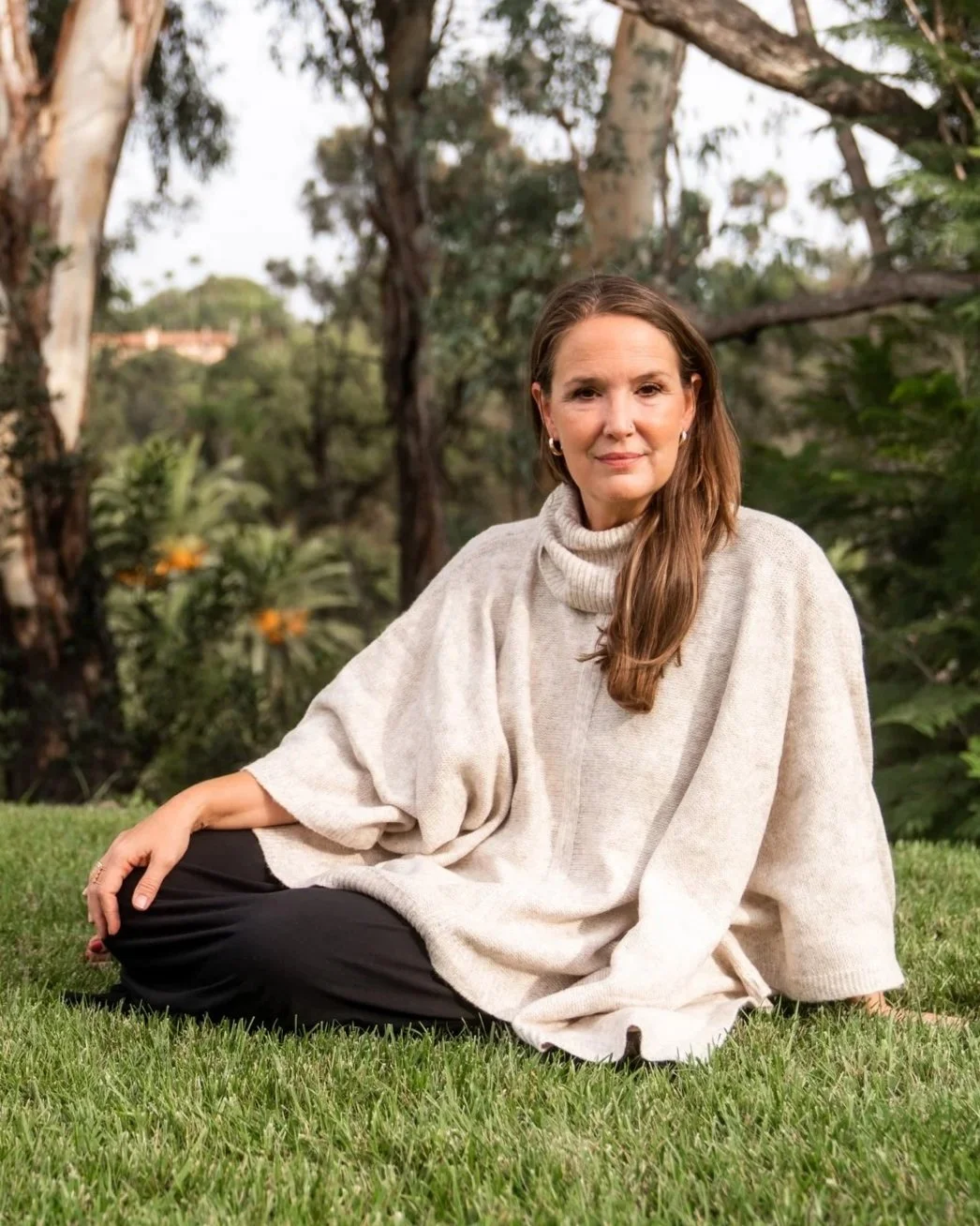
Ro Marlen is a wisdom teacher and somatic guide for sensitive, spiritually attuned Thresholders navigating burnout and relational wounding, often arriving in the body as chronic illness, in a culture that has forgotten how to belong.
Her work restores the Ground beneath healing: the remembrance that your body is Land, your lineage is living, and the world you are healing within is as sentient as you are.
She is the founder of The Sacred Evolutions Wisdom School. Through Rewild Yourself and the wider body of work at SEWS, she offers a living path back to what the Overculture worked hard to make you forget, and forward into what you are still becoming.
Her writing invites you to slow down, listen through the body, and remember the intelligence that has been living you all along