Self-Determination Grows in Right Relationship
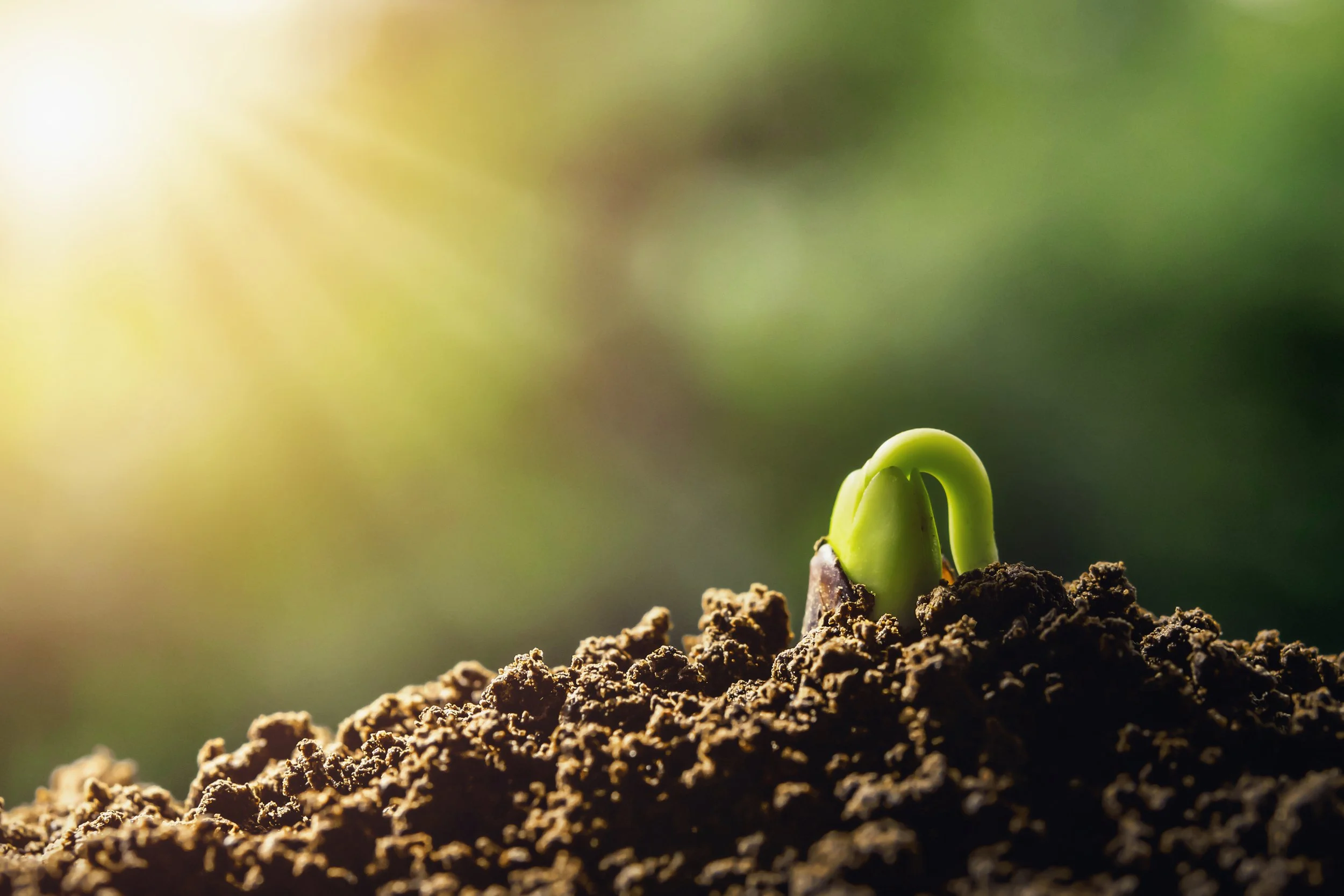
Self-determination is often spoken of as freedom, choice, and the right to decide one’s own path. But the body knows it differently. It knows it the way roots know water underground, the way a seed knows when the soil has softened enough to let it split and send its first pale thread downward into the dark.
Most of us were taught that determination lives in the will, and we believe that will comes from somewhere above the neck, powered by effort, clarity, and force. And yet so many people feel tired and constrained, even quietly disoriented, surrounded by options but unable to feel what is right.
There is a gap between the word and the lived experience, between what we’ve been told self-determination means and what it actually feels like to move from our own original instructions. This article is an invitation to slow that question down and bring it back into the body, into culture, into lineage, to listen for how self-determination emerges when a life is oriented by Ground, by belonging, and by the living conditions that allow something true to grow.
Why Self-Determination Matters Now in a Time of Nervous System Overload
Living Inside Fraying Systems
We are living inside systems that are fraying at the edges, even when they insist they are strong. We can feel it in the pace of our days, in the way our nervous systems rarely get to settle, and in how often choice feels theoretical rather than real. Exhaustion narrows the field of what’s possible. Cultural coercion disguises itself as opportunity. When everything is loud and urgent, the body loses its ability to sense what is true, and in that noise, we lose our ground and our agency.
Self-determination erodes in these conditions. Not because you lack strength or clarity, but because the ground required for roots to grow has been stripped away.
Self-determination is a Capacity, Not a Trait
This is why the question matters now. Self-determination is not a personality trait reserved for the decisive or self-assured. It is a living capacity that grows or withers based on conditions.
Like roots seeking water, self-determination grows in soil that hasn’t been compacted by constant threat. It depends on time that can stretch and gather rather than fracture, and on belonging deep enough that choice can rise without being forced. When these conditions are present, direction steadies on its own. When they are absent, even simple decisions cost the body more than they should.
What Is At Stake for People and Land
When decisions rise from unsteady ground, the impact travels through bodies, into families and communities, and across Land that is already burdened. The cost is felt in tight chests, in mistrust, in ecosystems pushed past their limits. What we choose, and how we choose it, reaches far beyond us. In this collective moment, self-determination shapes whether life can continue to grow in ways that are coherent, humane, and alive.
Three Ways Self-Determination Is Understood
This part of the conversation needs to be held with care, as a lineage conversation rather than an argument to be won. We are speaking about ways of understanding self-determination that were born from different soils, shaped by distinct relationships to power, Land, ancestry, and time. Each emerged within a particular cosmology, with its own assumptions about what a human being is and how we belong to the world.
These definitions are not interchangeable, even though they are often treated as if they are. When they are collapsed into one another, real harm happens—people are blamed for lacking agency they were never resourced to have, cultures are misunderstood, and systems designed around force continue to masquerade as freedom.
The Dominant Modern Definition
While some recent psychological theories emphasize autonomy within supportive conditions, much of contemporary Western culture has flattened self-determination into a story of individual will.
In the dominant modern frame, self-determination is understood as individual autonomy and freedom of choice. A self-determined person is imagined as independent, self-directing, decisive, and able to assert their will and chart their own course. This understanding privileges personal preference and assumes that choice itself is proof of freedom.
What it rarely accounts for are the conditions under which a choice is made. It assumes equal access to safety, rest, education, health, time, and belonging. It overlooks how exhaustion, threat, colonization, and economic pressure shrink the field of what can be chosen at all. In this frame, the soil is ignored, and when roots fail to thrive, the fault is placed on the plant.
2. A Regenerative Understanding
A regenerative understanding, articulated clearly in the work of Carol Sanford, shifts the question entirely. Here, self-determination is not about asserting will, but about the capacity to act from essence rather than reaction. It is something that develops over time as a person learns to perceive systems, understand consequences, and locate themselves within a larger living whole.
Choice emerges from clarity and internal coherence, not from subjective preference shaped by culture, nor from impulses born of fear or nervous system survival patterns. Responsibility is inseparable from freedom, because actions are understood to shape the vitality of the whole system. In this view, self-determination grows as conditions are cultivated through development, feedback, and relationships—much like roots deepen when soil is tended rather than compacted.
3. An Indigenous Understanding: Blackfoot (Niitsitapi)
For the Blackfoot people, the Niitsitapi, self-determination is rooted even more deeply in original instructions. It is not centered on the sovereign individual, but on living in accordance with the laws of Land, ancestors, and Creation. A person is not self-determining because they can choose anything, but because they are able to fulfill their responsibilities within a web of relationships that stretches backward and forward through time.
Decisions are measured by whether they maintain balance, honor lineage, and protect the lives yet to come. Self-determination here is an expression of right relationship, not personal sovereignty. The roots know where to grow because the soil remembers, and the task of the human being is to listen well enough to follow what has already been given.
When Self-Determination Is Held in Relationship
When these definitions are held together rather than collapsed into one another, something important comes into view. Self-determination stops being an abstract ideal and becomes a living process, shaped by relationships. None of these traditions locates it inside an isolated individual making choices in a vacuum. Each, in its own way, points back to soil conditions that allow a life to orient, respond, and grow without force.
What changes here is subtle but profound. Choice is no longer the starting point. Capacity is.
The nervous system’s ability to settle, the cultural waters a person is swimming in, and the quality of the relationship with Land and community all determine whether a choice can be felt clearly at all.
When the body is braced against job insecurity, against mass layoffs rippling across sectors, against rising costs and the fear that a single emergency could tip everything over, it learns to survive rather than orient. When the community feels scattered, when neighbors barely know one another, when conversations happen through screens more than across tables, the nervous system carries more than it can digest.
Add the constant stream of news, comparison, and crisis delivered through our phones, along with the steady message that we should be doing more and becoming more, and exhaustion begins to feel normal.
In these conditions, the body lives as though something might fall apart without warning. Culture demands speed and quiet compliance. Land is treated as a backdrop rather than a relative. Self-determination narrows until it looks like survival. Roots cannot deepen in compacted ground, no matter how strong the seed.
What Grows Cannot Be Claimed
This is where the myth begins to loosen. Self-determination is often spoken of as something you claim, assert, or demand through effort and resolve. But across lineages, what is revealed is something quieter and more exacting. It is something that grows when the ground is tended. It emerges as coherence when the conditions of life support listening, digestion, and response. Agency is not seized. It ripens.
When self-determination is understood this way, responsibility shifts from the individual alone to the systems that shape their lives. The question becomes less about who is strong enough to choose and more about whether we are willing to create the personal, cultural, and ecological conditions that allow people and places to grow according to their original instructions.
Self-determination is not asserted. It emerges when the ground is right.
Rewilding Self-Determination
When self-determination is understood as something that grows, the work shifts from pushing decisions to restoring conditions. Roots do not strain toward water; they follow moisture through receptive soil. In the same way, agency returns when the body is resourced enough to listen, when time has edges, when seasons are allowed to turn.
Restoring conditions unfolds slowly, in the quiet protection of sleep, in meals that are allowed to nourish rather than simply fuel, in the gradual easing of the pressure to prove or produce, and in returning again and again to the signals that rise from the belly, relearning how to trust them before the mind rushes in to interpret or correct what the body already knows.
Returning to Soil, Rhythm, and Belonging
Rewilding self-determination brings us back to soil and season. It asks us to notice where our lives have been compacted by speed or fear and to loosen the ground with rhythm and care. As capacity returns, choices become simpler and truer, because the body can feel what aligns. Belonging—within oneself, community, and Land—becomes the quiet structure that allows original instructions to surface and guide growth.
An Invitation
This is the heart of my work inside Rewild Yourself—restoring the conditions that let self-determination arise naturally through rhythm, relationship, and repair. If you want a simple place to begin, I invite you to a free ritual called Come Home to Your Body. It’s a short, grounding practice designed to help your nervous system settle, and your inner signals become audible again. You can learn more about my path and why I offer this work on About Ro.
Reflection Questions
Where in your life do you technically have choices, but lack the capacity to move toward any of them without strain or shutdown?
What helps your body feel settled enough to recognize what is true, rather than what is urgent or expected?
Which relationships or environments quietly diminish your self-determination, even when they appear supportive on the surface?
How does the Land you live on—its climate, pace, and pressures—support or strain your ability to choose well?
Self-Determination and the Ground It Requires
A seed grows in relationship. It senses for warmth, for moisture, for the subtle shift in pressure that tells it the soil is ready to receive what it carries. Roots move with that same quiet intelligence, sensing where nourishment lives and turning toward it, adjusting course as they travel through dark and stone. Growth unfolds this way, steady and often unseen, shaped as much by the quality of the ground as by the vitality resting within the seed.
And yet this way of growing is rarely the one we are encouraged to trust.
Our culture hands us a very different story. Self-determination is framed as willpower, as grit, as the ability to make something happen simply because we have decided it should. Strength is praised when it looks like pushing through. Freedom gets measured by how many options we can juggle without dropping any. Independence is held up as proof that we do not need the soil at all. We are taught to admire the plant that grows through concrete, while rarely asking what kind of world requires that kind of effort.
When we slow down enough to feel what is actually happening in our bodies, something quieter begins to surface. Beneath the push to prove and perform, there is an intelligence that does not rely on force.
Self-determination begins to look less like independence wrestled from sheer will and more like coherence—a life aligning with the conditions that allow it to thrive. It has very little to do with how many doors stand open, and far more to do with whether the body feels steady enough to walk through one of them. In a resourced body, within relationships that hold, and on Land treated as a living participant rather than scenery, direction clarifies without strain. Choice costs less.
What grows under those conditions may not look dramatic, but it holds, and it endures.
Like roots deepening in soil that can finally receive them, self-determination becomes less about proving strength and more about living in right relationship with yourself and your environment.
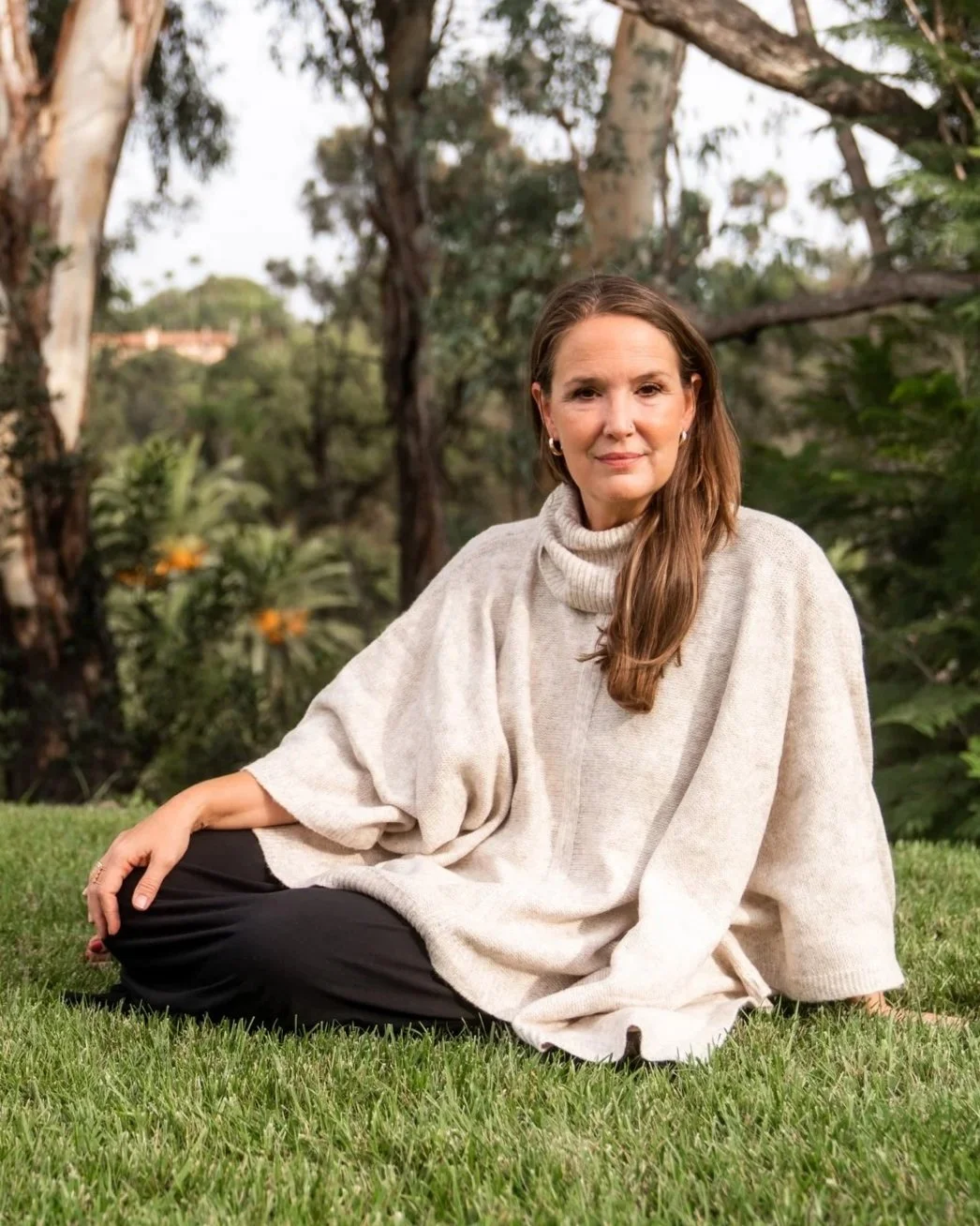
Ro Marlen is a wisdom teacher and somatic guide for sensitive, spiritually attuned Thresholders navigating burnout and relational wounding, often arriving in the body as chronic illness, in a culture that has forgotten how to belong.
Her work restores the Ground beneath healing: the remembrance that your body is Land, your lineage is living, and the world you are healing within is as sentient as you are.
She is the founder of The Sacred Evolutions Wisdom School. Through Rewild Yourself and the wider body of work at SEWS, she offers a living path back to what the Overculture worked hard to make you forget, and forward into what you are still becoming.
Her writing invites you to slow down, listen through the body, and remember the intelligence that has been living you all along