The Ones Who Stand at the Threshold: Are You a Thresholder?
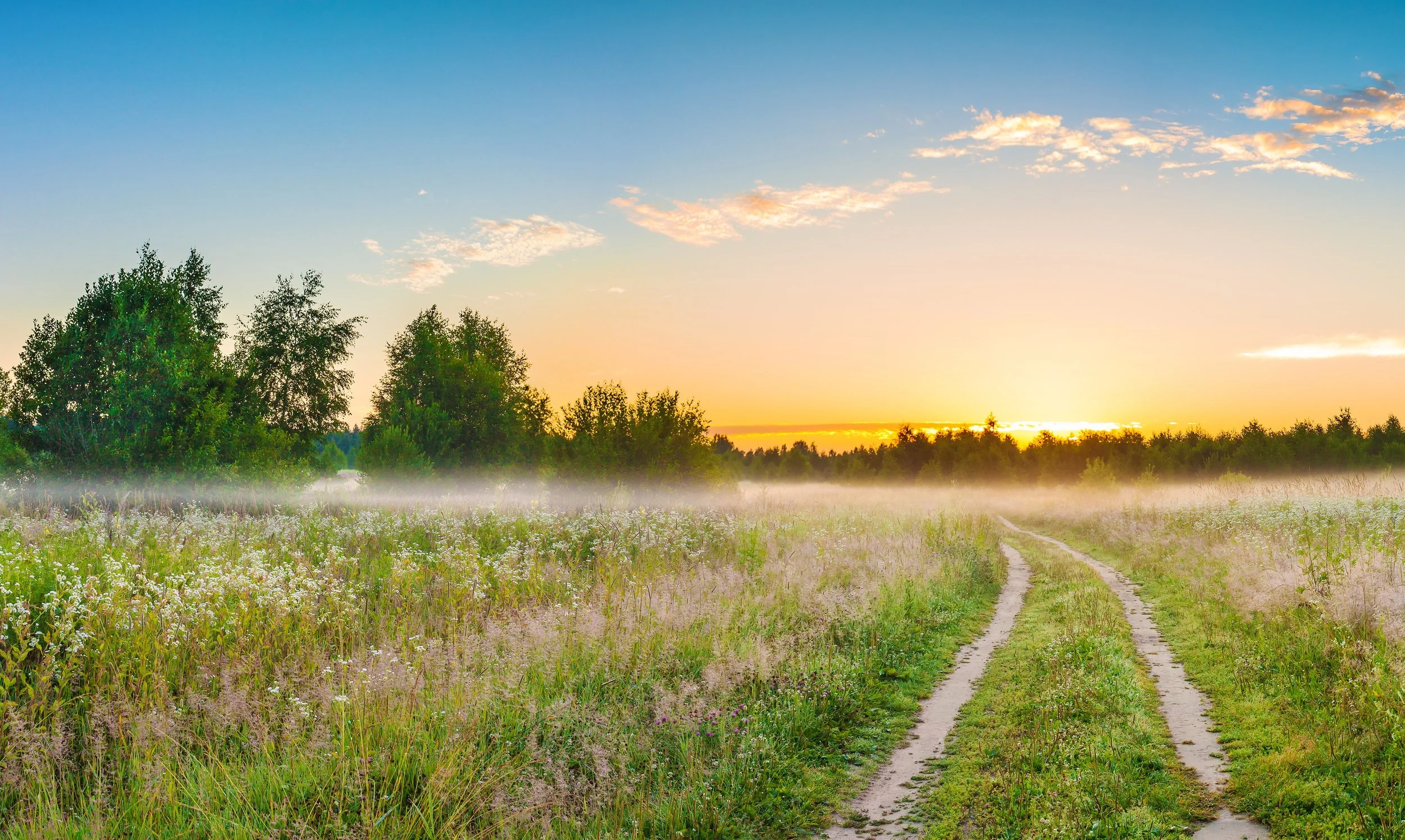
Standing at the threshold—where spirit meets matter, Thresholders hold the in-between and illuminate the path for others
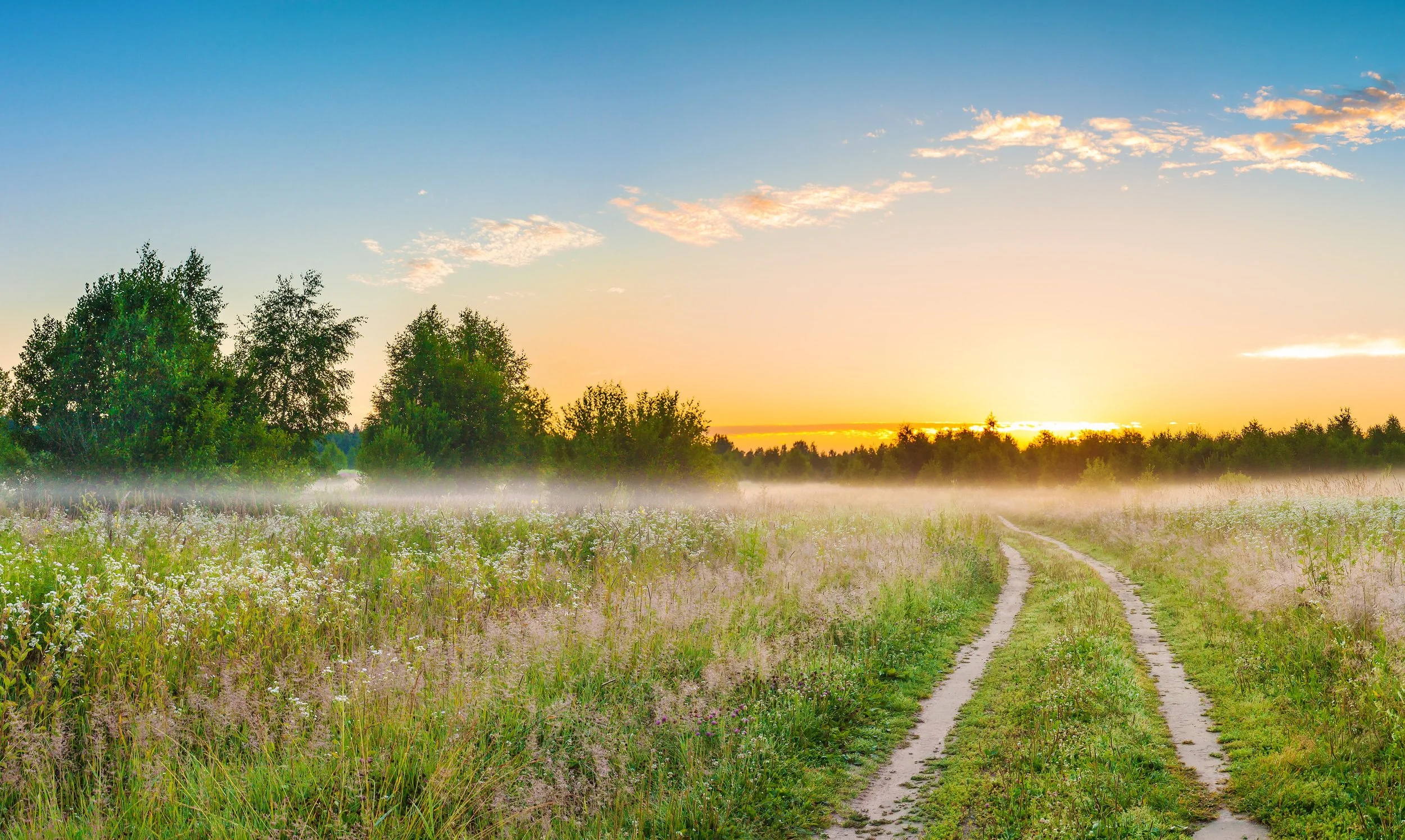
The Land seems to hold its breath before dawn. Not really dark, not quite light — that suspended moment when something is ending and something else is not yet here. If you know this feeling in your body, you've been living at the threshold your whole life.
Learn why your sensitivity is not a malfunction, and what changes when you stop trying to get out of the in-between and start learning to stand there with your feet on the ground. By the end, you'll understand why the threshold isn't the thing keeping you from belonging. It is where you belong.
You Were Built for the Edge
There is an old word for what you are. In the tongue of pre-Christian Europe, hag meant fence — not insult, but edge. The boundary line between territories. The living border where one world meets another. The Hagesusen — the fence-riders — were the ones whose nature placed them at that edge: between seen and unseen, between order and wild, between the human world and the world that hums beneath it.
They were not marginal figures. Every community needed them. Someone had to ride the boundary, translate what lived on both sides, and tend the place where the ordinary world and the spirit world touched. That was not a burden assigned to them. It was their design.
You may carry that same medicine. The name has been recovered. The function has never stopped being needed.
When the Gift Arrives Before the Ground
I've known I was built for the in-between since childhood. Rooms held moods I could feel before I walked into them from conversations that carried undercurrents nobody named. When I tried to speak of what I sensed, people looked away, and so I learned to hold it silently inside my body instead.
My body took the weight of that. First migraines, then hives. I lived my days dragged down by an exhaustion that made no sense to me. Later, a sudden death cracked something open that I'd learned to keep closed, and what followed looked like a breakdown but turned out to be something older. My nervous system couldn't hold the voltage of two worlds pressing against each other without enough ground beneath me.
The capacity was real. The ground wasn't there yet.
That's what changes everything. Not the sensitivity itself, that was never the problem, but whether there is enough ground beneath it to keep you from burning.
The Threshold Is Not a Symptom
Here's what the Overculture teaches sensitive people about themselves: that they are too much. Too reactive. Too permeable. That the ache in their chest before the news breaks, the way they feel a room before they actually read it, the grief they carry that doesn't seem to belong to only them — these are problems to manage, regulate, and fix.
This is a lie. And it is a precise one.
A Thresholder's body is a listening instrument. It picks up what is shifting in the field of a relationship, a community, in a culture before it takes form. That is not hypersensitivity. It is pattern recognition at the cellular level. Your body was made to translate the invisible into signal.
What makes it suffering is not the translation itself. It's doing it in a world that has no use for what you're receiving, with no ground under your feet to hold the weight of what you feel.
The Thresholder's sensitivity is not a disorder. It is a function. What it requires is Ground.
What the Overculture Does With Your Gifts
The culture we were raised in does not know what to do with Medial People. It offers them two options: perform or disappear. Override your perceptions to function in extractive systems, or retreat from the world altogether.
Most Thresholders have tried both. Many cycle between them — doing too much until they collapse, withdrawing until the pressure builds again, returning to the doing. Not because they're failing. Because they were never given a third option.
The third option is Ground.
Ground Changes Everything
Ground is not a concept. It is not a breathing technique or a visualization. It is the body remembering that it belongs to something larger than the fear it's been holding.
When a Thresholder finds Ground, something specific happens: the field that was overwhelming becomes navigable. The signal that was drowning you becomes information. Your sensitivity stops being the thing that keeps exhausting you and starts being the thing you were always meant to carry.
Clarissa Pinkola Estés writes that the wild woman — the instinct nature — does not disappear under the Overculture's weight. She goes underground. She waits. [Women Who Run With the Wolves] Ground is how you find her again. Not by searching up and out, but by going down. Into the body. Into the earth. Into what your bones already know.
This is the inversion the Overculture cannot offer you: your sensitivity was never the problem. It was only ever a problem without enough ground beneath it.
A Practice for Coming Back
Before you read further, I invite you to pause.
Let your attention settle into your body — your feet, your hips, wherever you're making contact with something solid right now. Let that surface hold a little more of your weight. Not all of it. Just a little bit more.
Bring your breath lower. No need to deepen it. Just let it drop toward your belly and settle there honestly.
Now notice: where in your body do you feel closest to the edge? A buzz under your skin. A tightness in your ribs. A place that feels faintly hovering above the rest of you.
Stay with it. Not to dissolve it. To meet it.
That edge is the threshold. It is not the problem. It is the doorway.
After a few breaths, ask quietly: What helps me remember I'm held while I'm standing between worlds?
Listen for what arrives. An image. A memory. A quality of warmth. Maybe nothing yet. Whatever comes is enough.
When you're ready, open your eyes. Notice the room, the light, the ordinary world waiting to meet you. That is Ground. It was here before you looked for it.
What Becomes Possible
Thresholders are not broken people who need to become more like everyone else. They were built for a specific function — and have been living that function without the foundation that makes it sustainable.
When the foundation is restored, the gifts change shape. Empathy becomes discernment. Permeability becomes translation. The ache of carrying what others can't yet name becomes the capacity to stand at the edge and hold it steady — long enough for something new to move through.
This is the quiet function of the Hagesusen, made new: to hold the threshold open. Not to dissolve the edge between worlds, but to tend it. So that others can find their way to the other side.
You were not built for the old paradigm. The very things that make you miserable inside systems built on extraction and speed — your depth of feeling, your need for rhythm, your sensitivity to what's invisible — are exactly what the world is reaching for now, in the people who can carry it with their feet on the ground.
The threshold is not where you're stuck. It's where you live. The work is not to leave it. It's to learn how to stand there, steadily, with the earth beneath you.
Reflection Questions
Where in your life are you trying to get out of the in-between, rather than finding ground within it?
What does your body already know that you haven't yet let yourself trust?
When you feel the edge — the buzz, the ache, the faint hovering — what is it usually trying to tell you?
Who in your life has helped you feel held at the threshold? What did they offer that allowed that?
What would it mean to treat your sensitivity not as a wound to heal, but as a function to resource?
The Ground Was Here Before You Looked for It
You were born knowing how to live at the edge. What was taken from you — or what never arrived — was the ground beneath it.
Rewilding is how you return. Not to a fixed state before the wounding, but to your original nature: rooted, permeable, alive to what is moving through the world, and steady enough to hold it.
If something in this landed — if the language of threshold and ground feels like something you've been waiting to hear — Rewild Yourself is where that work lives. It is a space for Thresholders and Medial People to rebuild the inner ground that makes their sensitivity sustainable.
Or stay close through the turning of the seasons with Attune to the Moon. Each rhythm is another way to remain in relationship with your body, the earth, and what is slowly becoming.
There is no rush. Only right timing. And a field of others learning how to stand at the edge with steadiness and care.
The Hagesusen did not choose the fence. They were made for it. And the fence needed them.
So does this moment.